Looking for that last minute gift for your favorite synthesizer player? We've got you covered. Here's a look at some of the best selling synths and music toys for 2016. Click the names for links to buy! #ad #paidlink 1.
Korg Minilogue #ad #paidlink- $499
A couple weeks back I received an email from Chris Meyer telling me about a new modular synth course he's put together on Lynda, a video teaching site. Chris has a pretty serious synth-creation resume, going all the way back to Sequential where he invented vector synthesis, most famously used on the Prophet VS. He's also worked for Roland, Digidesign (the company behind Pro Tools and Sibelius), and Marion Systems.
If you're looking for a good way to get into modular synthesis and synthesizers, this is a great way to start. There's years of experience behind these videos, and the videos cover building a modular system and different formats of modules, in addition to just teaching about the basics of synthesis.
If you're strapped for cash and want to sample the lessons, it looks like you can get 10 days free before they start billing you (be sure to use this link), which should be plenty of time to check out the course, which looks to be about four hours long in total.
Here's Chris's official press release.
"Learn Modular Synthesis If you’re new to modular synthesis and are wondering just how you’re supposed to use all those cables and knobs to create the sounds you hear in your head, synth industry veteran Chris Meyer – the creator of Vector Synthesis, and long-time modular enthusiast – has created the online course “Learn Modular Synthesis” (http://bit.ly/LearnModular) for LinkedIn/Lynda.com that will help take you from ground zero to patching your own sounds. It starts with a pair of “fundamentals” movies teaching the principles of harmonics and voltage control, then spends a chapter helping you weigh what to consider when configuring your own system – it even covers correctly plugging in the power jumpers to avoid costly disasters. The meat of the course is the chapters on “Learning Subtractive Synthesis” and “Exploring Alternate Techniques” that slowly build up your knowledge module-by-module and technique-by-technique. The first starts with oscillators and waveforms (analog and digital), and then adds in filters demonstrating the effect of using different modes, slopes, and adding resonance. After that it moves onto modulation, including comparing different envelope shapes plus demonstrating typical LFO (low frequency oscillator) applications. The latter chapter gets into oscillator sync, FM, AM, waveshaping, low pass gates, and even effects, including processing externals sounds through your modular synth. Throughout the course he uses a small 2-row rack mount system based on the Roland System 500, expanded with modules from a wide variety of manufacturers. He even color-codes his cables based on function, making it easier to follow a patch. By the end, you’ll be familiar with a wide range of both “East Coast” and “West Coast” techniques. A few movies – such as those on control voltage, patching a typical subtractive synthesizer voice, and exponential frequency modulation – are free to all. The rest of the course requires a Lynda.com subscription. However, if you sign up with the URL http://lynda.com/trial/chrismeyer, you get full access to the entire site – including over 200 other audio and music courses – for 10 days before they start to bill your credit card. It only costs $25/month if you decide to stay a member. For more information including an introductory movie, visit the Training page on Chris’ “Learning Modular” web site:http://learningmodular.com/training/."
We're deep into 2016 and it's once again time share with you the latest and greatest in (mostly) analog synthesizers. This year we have perhaps the greatest starting analog synthesizer ever, the Korg Monologue, a $500 4-voice polysynth. On the opposite end of the spectrum, the Dave Smith Tom Oberheim OB-6 ranks as one of the biggest sounding polysynths of recent memory. In between, we have some new additions as well. Here's a breakdown of what's available.
I'm going to mark the synths that were not announced or released at the time of last year's guide with NEW, so you will be able to easily distinguish what's new. I've also added some digital or not fully analog gear, so I'll be marking that accordingly to.
In addition what you see below, I plan on expanding this guide as new gear comes out and as new questions come in from readers. If you're looking for something else, or have a question, shoot me an email and check back to this page soon.
As with previous iterations of this guide, it will be focused on new synthesizers, so don't expect anything that's not currently or very recently in production. I've also mainly chosen to focus on analog synthesizers, although there will be a few recommendations that are either partly or fully digital.
Special note: I've included Amazon links on the names of all the synths, so if you're interested in buying from Amazon, use that link! Not only will it help support the blog, but you will also find Amazon has sales at times, so you'll find $10~$50 off on some synths. #ad
If you were hoping for a classy new Volca from NAMM, Korg has decided to hit on the last classic piece of synth heritage-- FM synthesis. No sounds are out yet, but it looks like the Volca FM will be 3 voices and have 6 operators. The Volca FM features familiar sliders to the left, a standard Volca keyboard, and some basic function knobs. Perhaps Korg is planning an app like the Sampler's to program as well. There also appears to be a retro seven segment display at the top left of the unit. I'll update this post with sounds as they become available.
Update: Interview with the Volca FM creator below.
"Dave Smith Instruments is excited to announce the OB-6, a new 6-voice synthesizer with an all-analog signal path and discrete VCOs and filters developed in collaboration with Tom Oberheim. Boasting a sound engine inspired by Oberheim’s original SEM (the core of his acclaimed 4-voice and 8-voice synthesizers), the new instrument is designed to provide true, vintage SEM tone with the stability and flexibility of modern technology.
Said Dave Smith: “Tom and I have been friends and friendly competitors since the late 1970’s. Back in the day, people were typically in either the Prophet or the Oberheim camp. Now, with the Prophet-6 out and doing so well, we thought it would be fun to combine our strengths and bring back Tom’s classic polyphonic sound, too — in a modern format.” Added Tom Oberheim: “A lot of people, myself included, have always felt that the SEMs had a certain uniquely big, organic sound unlike anything else. Working with Dave to make that sound widely available again with some modern touches and full programmability has been real a pleasure.”
The OB-6 features two discrete voltage-controlled oscillators (plus sub-oscillator) per voice, with continuously variable waveshapes (sawtooth and variable-width pulse, with triangle on oscillator 2). There is a classic SEM-inspired state-variable filter (low-pass, high-pass, band-pass, and notch) per voice. Voltage-controlled amplifiers complete the all-analog signal path. “The classic, bold SEM sound is all there,” said Oberheim.
The OB-6 features two discrete voltage-controlled oscillators (plus sub-oscillator) per voice, with continuously variable waveshapes (sawtooth and variable-width pulse, with triangle on oscillator 2). There is a classic SEM-inspired state-variable filter (low-pass, high-pass, band-pass, and notch) per voice. Voltage-controlled amplifiers complete the all-analog signal path. “The classic, bold SEM sound is all there,” said Oberheim.
Present also is X-Mod, with filter envelope and oscillator 2 as modulation sources (with bi-polar control). Destinations include oscillator 1 frequency, oscillator 1 shape, oscillator 1 pulse width, filter cutoff, and filter mode. The knob-per-function front panel puts virtually all parameters at a user’s fingertips. Toggling on the Manual switch enables live panel mode, in which the OB-6 switches to the current settings of its knobs and switches.
A dual effects section provides studio-quality reverbs, delays (including standard and BBD), chorus, and faithful recreations of Tom Oberheim’s acclaimed phase shifter and ring modulator. The effects are digital, with 24-bit, 48 kHz resolution, but a true bypass maintains a full analog signal path. Additionally, the OB-6 features a multimode arpeggiator and a polyphonic step sequencer with up to 64 steps (and up to 6 notes per step) plus rests. It allows polyphonic keyboard input and can sync to external MIDI clock.
The full-size, four-octave, semi-weighted keyboard is velocity and aftertouch sensitive. Said Dave Smith, “As with the Prophet-6, we made size a primary concern on the OB-6. It’s the right mix of power and portability and it fits right in on-stage or in the studio.” Added Oberheim, “And of course, it’s got that unmistakable SEM sound that’s going to turn a lot of heads. ”
The OB-6 is manufactured and sold by Dave Smith Instruments. It will be available in March, with a US MAP of $2,999."
"Two Legends. One Instrument
The OB-6 is a once-in-a-lifetime collaboration between the two most influential designers in poly synth history, Dave Smith and Tom Oberheim. The OB-6 takes the classic bold Tom Oberheim sound — with its true voltage-controlled oscillators, 2-pole filter, and amplifiers — and adds modern enhancements such as studio-quality effects, a polyphonic step sequencer, an arpeggiator, and more. No other modern analog poly synth can boast such a pedigree or such a massive, in-your-face sonic signature.
Vintage SEM Tone
The OB-6 sound engine is inspired by Tom’s original SEM, the core of his acclaimed 4-voice and 8- voice synthesizers. It features two discrete voltage-controlled oscillators (plus sub-oscillator) per voice with continuously variable waveshapes (sawtooth and variable-width pulse, plus a triangle wave on oscillator 2). The classic Oberheim-inspired 2-pole, state-variable, resonant filter provides low-pass, high-pass, band-pass, and notch functionality. Voltage-controlled amplifiers complete the all-analog signal path.
Dual Effects
The dual effects section provides studio-quality reverbs, delays (standard and BBD), chorus, flangers, and faithful recreations of Tom’s original phase shifter and ring modulator. While the effects themselves are digital, with 24-bit, 48 kHz resolution, a true bypass maintains a full analog signal path.
X-Mod and Poly Step Sequencing
Also present is X-Mod, which expands the tonal palette and makes it easy to create dramatic and unconventional sounds. Modulation sources are filter envelope and oscillator 2, both with bi-polar control. Destinations include oscillator 1 frequency, oscillator 1 shape, oscillator 1 pulse width, filter cutoff, and filter mode. The polyphonic step sequencer allows up to 64 steps and up to 6 notes per step. You can create sequences polyphonically, with rests, and sync to an external MIDI clock. The full-featured arpeggiator can be synced to external MIDI clock as well. Unison mode features configurable voice count (1-6 voices), chord memory, and key modes.
Easy to Program
The knob-per-function front panel puts virtually all OB-6 functions at your fingertips. Included are 500 permanent factory programs and 500 rewritable user programs. Turning on the Manual button enables live panel mode, in which the sound of the OB-6 switches to its current front panel settings. In this state, what you see is what you hear.
Easy to Play
This analog powerhouse is packed into a four-octave, semi-weighted keyboard with velocity and channel aftertouch, making it perfect for stage or studio."
Check out Arturia's new synth, the Matrixbrute! Thoughts to follow...
"GRENOBLE, FRANCE: music software and hardware developer Arturia is proud to introduce its innovative MatrixBrute Analog Synthesizer — set to reset the benchmark by going down in history as arguably the most powerful analogue synthesizer ever created — at The NAMM Show 2016, January 21-24 in Anaheim, California, USA...
When was the last time your heart started racing at the thought of making music? How long has it been since you heard sounds that were entirely new? When did you last find an instrument that truly inspired you? Arturia actively posed such challenging questions to itself when readily rising to the challenge of designing the MatrixBrute Analog Synthesizer. So here’s the answer: an astonishing programmable monophonic/duophonic analogue synthesizer set to start your heart racing and serve up entirely new sounds as a truly inspirational instrument... meet MatrixBrute Analog Synthesizer! As a massive-sounding and highly-specified beast of analogue avant-garde-era synth technology, it is fit for reaching the outer limits of truly 21st Century sonic exploration, thanks to the trademark sound of its three ‘Brute’ oscillators, superb-sounding Steiner-Parker and ladder filters, three ultra-fast envelope generators, amazing analogue effects, and — the pièce de résistance — its incredible modulation matrix. Modular... without the painful patching practice of going modular, in other words!
What makes the massive-sounding MatrixBrute Analog Synthesizer so state-of-the-art, then? Matrix by name, matrix by nature, that namesake modulation matrix is at the heart of MatrixBrute, making the most of each ‘module’ through a matrix that offers thousands of potential modulation routings. Assign any of 16 modulation sources to any of 16 modulation destinations (in MOD mode) and set the amounts of each modulation routing using the dedicated data encoder; four such destinations are user programmable and can clearly be seen in the eye-catching E Ink (Electronic Ink) display. Don’t be afraid to invent a sound palette of your own and make your musical mark!
If you were hoping this year would bring a new analog mono synth from a major manufacturer, Korg has you covered. The Minilogue is the latest and greatest of Korg's analog revival. The Minilogue is a 4 voice polyphonic analog synth with 200 patches, OLED display with oscilloscope, and plenty of knobs.
There had been countless internet posts asking for an affordable analog because of Korg's recent dips into the market, and finally, we have what looks to be the dream entry polysynth for the affordable price of $500 USD.
An official blurb from Korg:
"KORG Minilogue - is a fully programmable, 4-voice polyphonic synthesizer, is also equipped with built-in reverb and delay effects. KORG company offers the best way to get acquainted with a unique, stunning features of the analog synthesizer. Synthesizer has a unique analog engine, quick access to the 100 factory 100 user presets, 8 voice mode to create its configuration of 4 votes - unison, polyphony, and so on. The front panel 41 of the controller to configure and quick change function, the oscilloscope in real time gives a visual check of sound, 16-step sequencer with automation polyphonic up to 4 parameters synthesizer and more."
I'll add more pictures and info as I find it. We'll be hearing it at NAMM.
Over the weekend, eagle eyed reddit user Leviathant found that Zzounds had accidentally posted the new Roland Boutique line early complete with high resolution photos and full specs, after Roland had teased last weekend that something new and retro-inspired was coming on their website. While it was clear that the new line would be small and modeled after the Jupiter 8, Juno 106 and JX-3P, no other information was available besides some desperate attempts to make out what the keyboards looked like.
With the cat out of the bag before the big reveal from Roland, I've decided to post a quick brief of what the new devices are. Each is a 4 voice knobby module (with an optional detachable 25 key mini keyboard) with MIDI, USB, battery or USB power, patch memory, built in speaker, and a sequencer.
The JP-08, modeled after the Jupiter 8, is slightly more expensive than its two siblings at $399, but the JU-06 and JX-03 (Juno 106 and JX-3P recreations, respectively) are $299. The emulations of these new keyboards are based off the same technology used in the TR-8.
The modules are said to be limited edition, although how limited remains to be seen. I can't help but imagine that this is a test to see how well they'll sell, and perhaps we'll see full 8 voice versions in the near future with a regular size keyboard. Speaking of which, you can grab 2 of the Boutique synths and polychain them together to get an 8 voice synth.
The new Roland Boutique line is expected to launch November 8th. Full specs just below. For all the pictures, scroll down further.
Roland JP-08 Synthesizer Module
The legendary Jupiter-8 synth is back - as a limited-edition module no bigger than a book. Part of the Roland Boutique series, the JP-08 is all about hands-on control and that iconic Jupiter sound. With an array of 36 knobs and sliders from the original Jupiter-8 front panel, the 4-voice JP-08 is highly programmable and encourages sonic experimentation, especially with the built-in speaker and battery operation. Using Roland's acclaimed Analog Circuit Behavior (ACB) technology the JP-08 faithfully reproduces the original Jupiter-8 sounds and adds a few new twists in the form of extra LFOs and expanded VCO range. You can even slide the JP-08 into the K-25m keyboard unit (not included) for a self-contained, go-anywhere synth experience.
Huge Synth. Small Package. The Jupiter-8 was a big synth in every way; physically imposing with loads of knobs and sliders, and most importantly, a huge sound. The JP-08 retains the big sound of the Jupiter-8 but shrinks everything else - including the price - into a module measuring under 12" across.
Hands-on control With such an expressive sound engine, you'll want to shape the sounds to match your mood. With 36 of the original parameters accessible from the front panel, the JP-08 is all about hands-on control, and even users of the Jupiter-8 will quickly feel at home as the user interface and programming 'feel' is highly reminiscent of the original.
New Sound-Shaping Options Even though the JP-08 is an authentic recreation of the Jupiter-8, Roland also included a few extras. The JP-08 adds several new waveforms to the original architecture, including TRI and NOISE for the LFO and SIN for VCO-1, and both VCOs have an expanded range for even more sound shaping potential.
Develop Your Ideas with a 16-Step Sequencer The onboard 16-step sequencer is a sonic scratchpad that lets you try out new ideas without bringing lots of gear - it can even be used without a keyboard. And if there's no keyboard connected, the ribbon controller lets you preview the sound, making it an ideal way to program patches quickly and easily.
Optional K-25m Keyboard Unit The JP-08 works especially well with the K-25m, an optional 25-key velocity sensitive keyboard that takes your music making to the next level. Once docked in the keyboard, the module's front panel adjusts to three positions for convenient access to the knobs and sliders.
Chain Mode One of the killer features of the original Jupiter-8 was its ability to create huge pads, splits and layers using its 8 voices of polyphony. The JP-08 features a chain mode that allows you to connect two JP-08 modules using the MIDI ports and create one, 8-voice synthesizer, just like the original. Adding additional modules adds another 4 voices of polyphony with each module. This is especially great when controlling the JP-08 from a larger external keyboard. You can even edit the sound from the master module and control both units. Great for real-time filter sweeps and LFO effects.
Battery or USB Bus Power Some of the best music is made away from the studio, so the Roland Boutique series runs on 4 x AA batteries, ready for when inspiration strikes. Alternatively, you can power the JP-08 via USB bus power.
USB Audio Interface for Direct Recording Into Your DAW The built-in USB port also functions as a high-quality 24bit, 44.1 kHz audio interface, for a fast, simple and reliable way of recording directly to your DAW application. You can keep your favorite patches and sequencer patterns safe too, via the USB data backup function.
Original post: Earlier this morning on the Korean Yamaha page, the Reface series accidentally went live on their public website. With the use of some careful detective work, I was able to extract the specs and descriptions of their new synth/keyboard line-- the CP, CS, DX, and YC, based off of their respective lineage from Yamaha! No sound demos yet, so you'll have to wait until tomorrow's unveil on yamahasynth.com for the full reveal. Until then, enjoy a google translated description of the Reface DX and CS.
I've decided to withhold the full specs of the YC and CP so that Yamaha will have something to unveil tomorrow.
· Vintage keyboard sounds with detailed six kinds of vintage keyboard sounds strikingly with the engine, we implement the drive for best musical pairing with the keyboard, type tremolo meet each match've taken great care.
In just the blink of an eye, another year has gone by, and that means a new synth guide is needed. The beginning of 2015 saw the announcement and release of some new, exciting gear from synth manufacturers around the globe! I'm going to mark the synths that were not announced or released at the time of last year's guide with NEW, so you will be able to easily distinguish what's new. I've also added some digital or not fully analog gear, so I'll be marking that accordingly to.
In addition what you see below, I plan on expanding this guide as new gear comes out and as new questions come in from readers. If you're looking for something else, or have a question, shoot me an email and check back to this page soon.
As with previous iterations of this guide, it will be focused on new synthesizers, so don't expect anything that's not currently or very recently in production. I've also mainly chosen to focus on analog synthesizers, although there will be a couple recommendations that are not analog in some form.
Special note: I've included Amazon links on the names of all the synths, so if you're interested in buying from Amazon, use that link! Not only will it help support the blog, but you will also find Amazon has sales at times, so you'll find $10~$50 off on some synths.
Today Korg made a surprise announcement unveiling some new gear, most notably a new Volca called Sample, and the newest generation of the Electribes, the Electribe and Electribe Sampler. The Volca Sample is an impressive little box, holding 100 samples with a max polyphony of 8 sounds. The Sample has 4 MB of memory for 65 seconds of sampling and individual digital reverb per sound, and some impressive sample editing on the front panel as well. The two large knobs on the left are analog isolators, used to filter out low or high frequencies on each sample. The Volca Sample also retains the ability to record parameter changes, so you'll be able to edit the parameters across your 16 step sequence. Samples are loaded via iOS app, although I imagine they'll expand this later to other forms.
The new Electribes are the replacements for the SX and MX Electribes, based on sampling and synthesis, respectively. The new form factor includes an XY pad, an SD card slot, and a 64 step sequencer.
The new additions seem like logical expansions and actually look incredibly fun. The Volca Sample, which will likely be the same price as its siblings, could be the gateway into the sampling world that many beginners are looking for. The videos below make the new gear look immediate and inspiring. Can't wait to try these.
When I first heard ROOM8, the classic sounds and catchy synth hooks immediately resonated with the synth pop lover in me, and I was hooked from the first verse- but this was a couple years ago, near the band's first releases. My interest piqued again when they recently released their new EP Visions of You, featuring Electric Youth, whom you may know from the Drive Soundtrack. ROOM8 is the collaboration of Ezra Reich and Nic Johns, who have teamed up in LA to bring back true vintage tones and classic song writing to the SoundCloud age. Their highly anticipated (but still in progress) album Transduction features a host of contributors from the synthesizer's golden years (more info on that on their SoundCloud page). I recently got the chance to talk to the band about their studio gear and influences.
You guys have a very distinctive 80s feel to your music. Can you give me a run down of what you have in your studio, in terms of synths and rack gear? Are you using any plugins for sounds?
ROOM8: We never sit down and go after an "80's" sound. We just love the synthesizers that were built in the late 70s and 80s and we use them to make music. We also love song structure and pop music and soundtrack music which incorporates some of that structure. On some of our earlier material which has begun coming out with the "Visions of You" EP we used a hybrid of VST's and Hardware. On the newest stuff in our studio we are now primarily using hardware. We use Arturia primarily for software (with a few others). In terms of hardware their are a few secrets but some things are:
arp solina
korg polysix
korg lambda
korg wavestation
roland juno 60
roland jx 10
Oberheim OB8
Oberheim Matrix 6R
Yamaha DX7
Prophet 600
Novation Bass Station 2
and a few other ones including a massive rare one that will remain a secret
also our guitar rig is a secret but we can say it's the same rig used on every 80's Giorgio Moroder record.
Recently I was given the opportunity to check out XILS Lab's new XILS 4, which is the successor of XILS 3, a plugin version of the famous VCS3 by Electronic Music Studios (EMS). The original release of the VCS3 came in 1969, making it one of the oldest synthesizers, yet today it's still lusted after and used by many great electronic artists, like LCD Soundsystem, Vince Clarke, Brian Eno, and Kraftwerk. At first sight, the VCS looks more like old communications equipment than it does a musical instrument, and the plugin's interface accurately recreates that feeling. The interface isn't quite as easy to grasp as your more modern plugins at first, but if you're considering the X4, you likely know that and are embracing it, as different interfaces are what allow synthesists to create so many different sounds.


 #ad #paidlink- $159


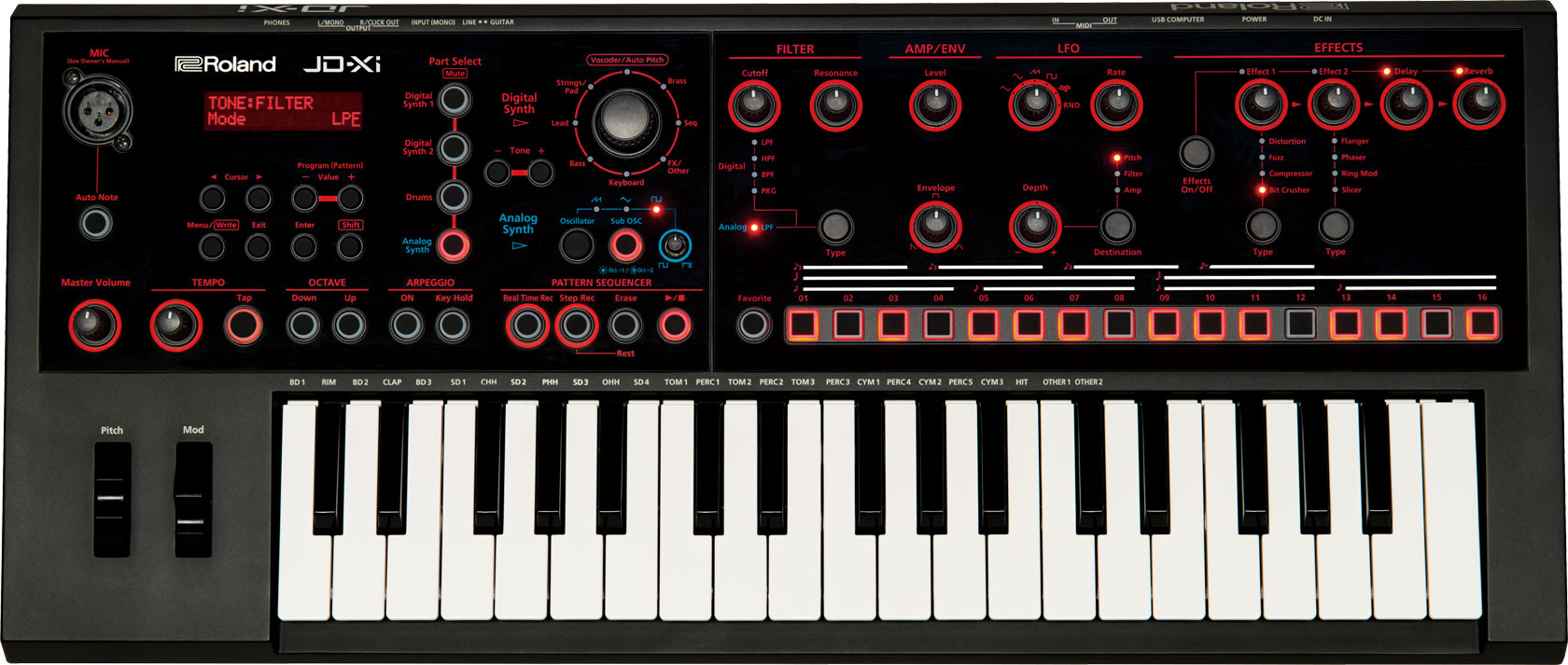


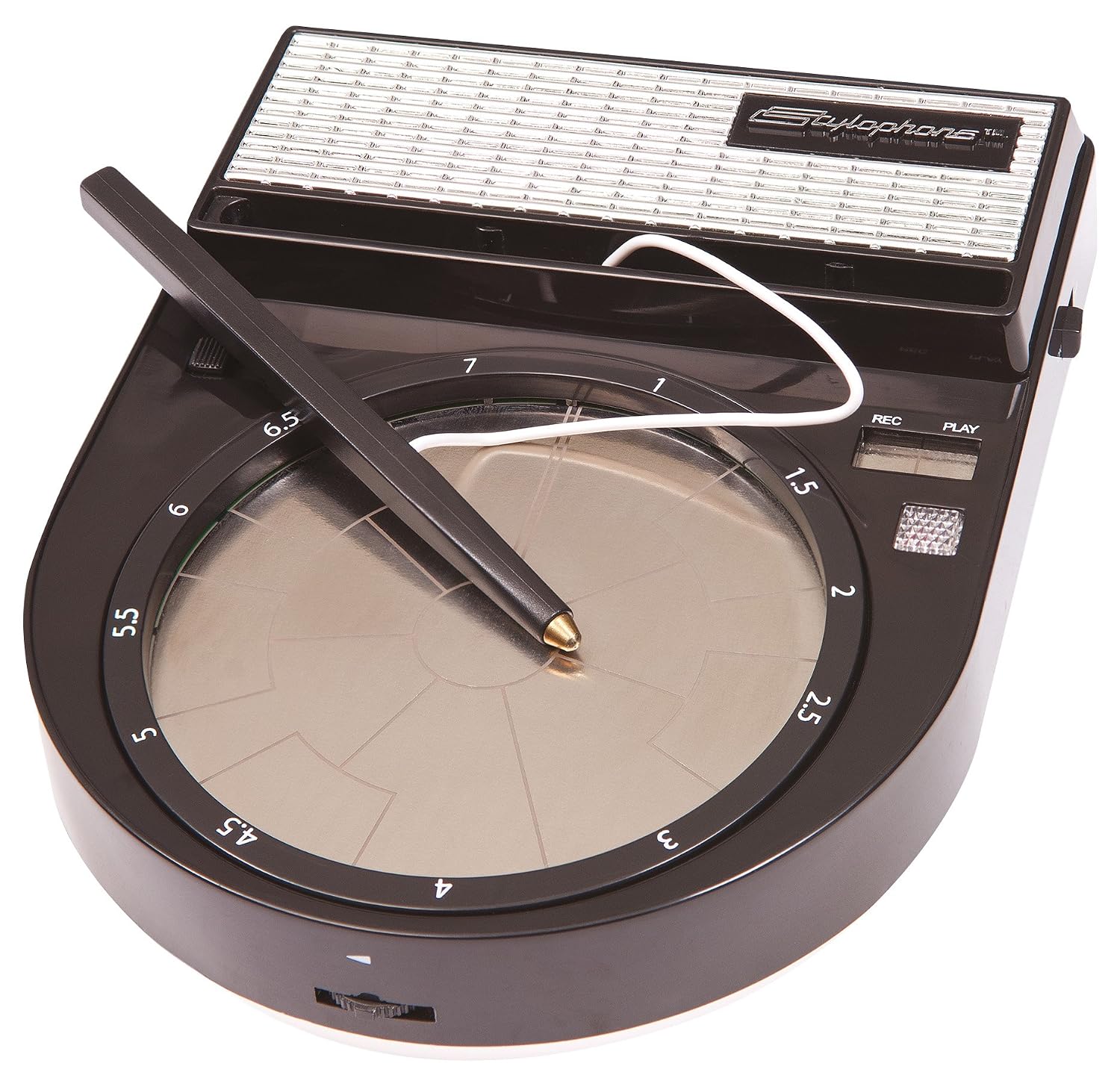
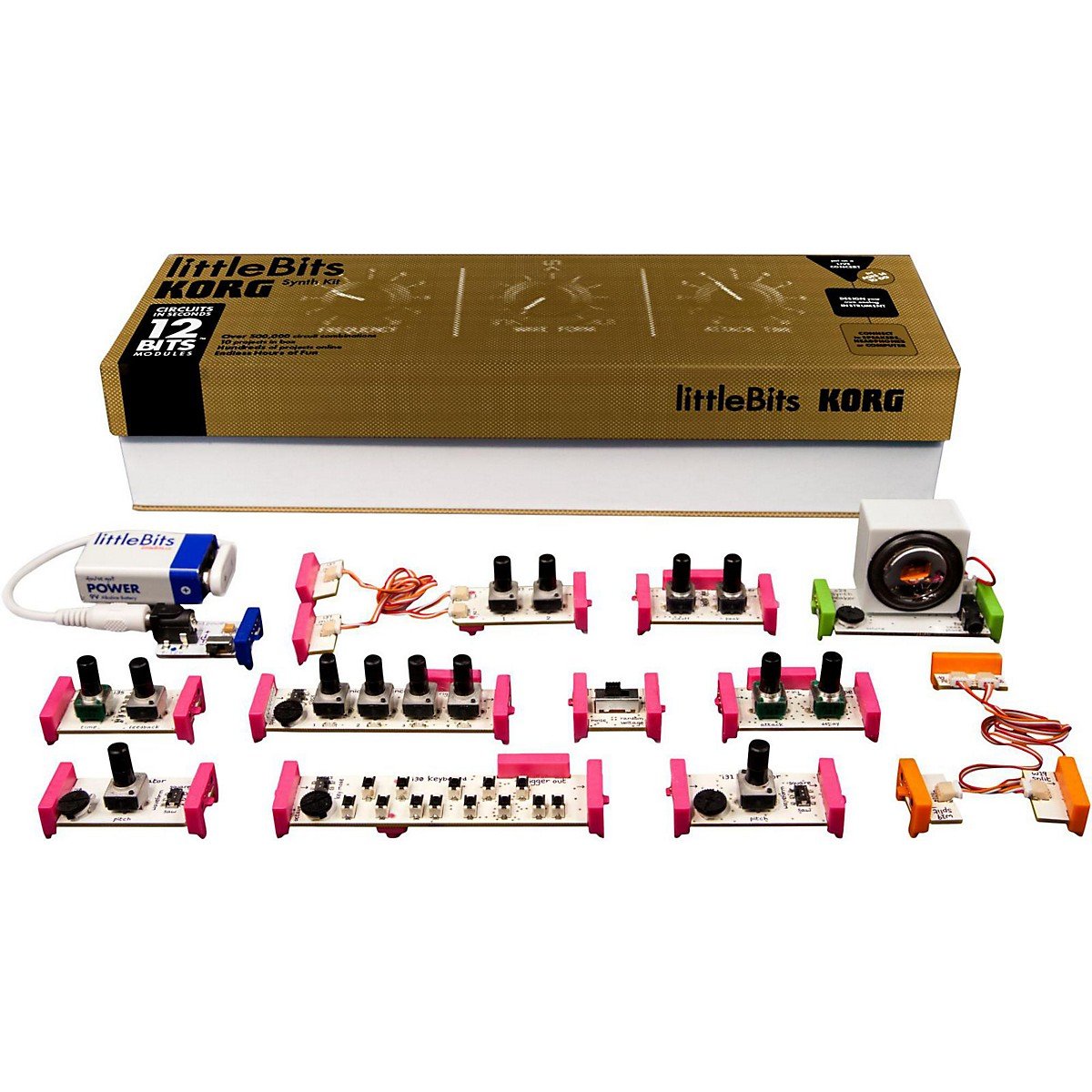


 , modeled after the Jupiter 8, is slightly more expensive than its two siblings at $399, but the
  and
and  (Juno 106 and JX-3P recreations, respectively) are $299. The emulations of these new keyboards are based off the same technology used in the
  .
.


